Home security depends more on daily decisions than emergency moments. Common vulnerabilities like unlocked doors or poor lighting often result from overlooked routines—not rare threats. Effective security relies on visibility, consistency, and practical habits, not fear. When protective measures feel manageable, they’re easier to maintain long-term. That’s why a layered approach works best; no single solution fits every situation. This article shares realistic security practices that integrate naturally into your daily life and living space.
1. Make Your Home a Visible Deterrent
Use Consistent Outdoor Lighting
Outdoor lighting plays a major role in making a home feel less approachable to unwanted visitors. Well-lit entryways, paths, and driveways reduce hiding spots and improve visibility for residents returning home at night. Consistency matters more than brightness, as predictable lighting creates a sense of regular activity. Motion-activated lights add flexibility by responding to movement without needing manual control. Proper placement ensures light supports safety rather than creating glare or shadows. Over time, good lighting becomes a quiet but reliable security layer.
Maintain Your Yard and Exterior
A well-maintained exterior signals that a home is actively occupied and cared for. Overgrown bushes, piled mail, or broken fixtures can suggest neglect, even when a home is lived in. Regular trimming keeps sightlines clear around windows and doors. Simple upkeep tasks, such as repairing fences or replacing burnt-out bulbs, support both safety and appearance. Maintenance also helps homeowners notice unusual changes more quickly. A cared-for exterior naturally discourages unwanted attention.
2. Secure Every Entry Point Effectively
Reinforce Doors with Deadbolts and Strikes
Doors are the most commonly used entry points, which makes their condition especially important. Deadbolts provide added resistance compared to basic locks and are widely considered a standard upgrade. Reinforced strike plates and longer screws help doors withstand pressure more effectively. These improvements do not change daily routines but significantly increase strength. Doors should also close smoothly without gaps or sticking. Strong doors form the foundation of physical home security.
Lock All Windows, Even on Upper Floors
Windows are often overlooked, particularly those not at ground level. Upper-floor windows may feel out of reach, but they can still be accessed from roofs or nearby structures. Ensuring all windows lock securely reduces unnecessary risk. Window locks should be checked periodically for wear or misalignment. Curtains or blinds add an extra layer of privacy, especially in the evening. Consistent window security supports overall peace of mind.
3. Layer Your Security with Technology
Install Visible Cameras at Key Points
Visible security cameras act as both monitoring tools and deterrents. Placement near entrances, garages, and shared outdoor areas helps capture meaningful activity. Cameras should be positioned to cover movement rather than private spaces. Clear visibility often discourages suspicious behavior before it begins. Over time, cameras also help homeowners understand normal patterns around their property. Technology works best when it supports awareness without creating complexity.
Use a Monitored Alarm System
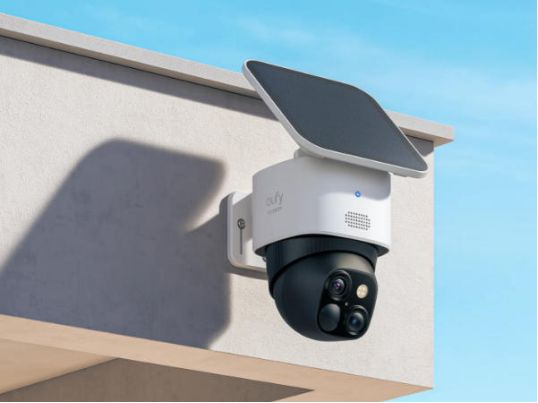
A monitored alarm system enhances home security by detecting unusual events and sending alerts. To move from notification to understanding, many users pair their alarms with a visual check—a step that helps verify what’s happening without depending solely on a sensor reading. A practical way to enable this is by linking the alarm to a eufy PTZ security camera, which can pan, tilt, or zoom to automatically view the area where activity was detected. Certain integrated setups facilitate this kind of smooth interaction between alarms and cameras. This coordination helps users assess situations faster and with more confidence, reducing guesswork while keeping the system straightforward to operate.

4. Develop Smart Daily Habits
Always Lock Doors and Set the Alarm
The most advanced security tools are less effective if basic habits are inconsistent. Locking doors and setting alarms should become automatic parts of leaving or going to bed. Repetition helps turn these actions into routines that require little thought. Households benefit from shared expectations, so everyone follows the same steps. Simple reminders near exits can reinforce habits during busy times. Consistency strengthens every other security measure in place.
Be Cautious with Social Media and Spare Keys
Daily digital habits can unintentionally affect physical security. Publicly sharing travel plans may signal when a home is empty. Adjusting privacy settings helps limit unnecessary exposure. Spare keys should not be hidden in obvious outdoor locations, as these are often the first places checked. Trusted neighbors or secure storage options provide safer alternatives. Awareness of small decisions helps reduce avoidable risks.
5. Engage Your Community for Added Safety
Get to Know Your Neighbors
A connected community adds an extra layer of informal security. Neighbors who recognize each other are more likely to notice unusual activity. Simple interactions build familiarity without requiring formal arrangements. Shared awareness helps identify concerns early. Community connections also provide support during vacations or emergencies. Familiar surroundings feel safer when people look out for one another.
Report Suspicious Activity Promptly
Prompt reporting helps prevent small issues from escalating. Unusual behavior does not always indicate danger, but it is worth noting patterns that feel out of place. Clear communication with local services or community channels supports collective safety. Timely action often resolves situations quickly. Reporting should focus on observation rather than assumption. Responsible awareness strengthens neighborhood security.
Conclusion
The most effective home security practices rely on visibility, preparation, and everyday habits working together. Strong entry points, consistent lighting, and thoughtful use of technology create a reliable foundation. Daily routines and community awareness further reinforce these measures. When tools are chosen carefully, options such as an eufy PTZ security camera can integrate naturally into broader systems without adding complexity. Security works best when it feels practical rather than overwhelming. A balanced approach helps homes remain comfortable, predictable, and well-protected over time.