An excellent robot vacuum combines vigorous cleaning, sophisticated navigation, and a low-maintenance design to provide consistent performance. The greatest models go beyond suction; they adjust to different floor kinds, avoid impediments, and clean well without continual supervision. With so many choices available, it’s critical to understand what distinguishes a dependable robot vacuum from a mediocre one. Whether you live in a small apartment or a huge, multi-surface home, selecting the appropriate feature set may make all the difference. This article highlights the most significant performance, smart control, and convenience aspects to help you select a robot vacuum that genuinely matches your current house cleaning requirements.
Core Cleaning Performance Features You Should Not Ignore
Suction Power, Brush Design, and Edge Cleaning
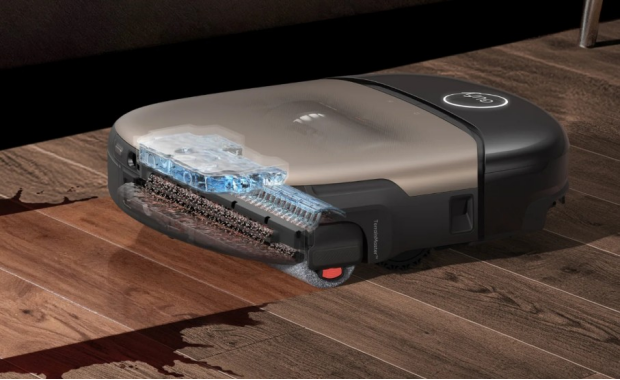
Strong suction guarantees that dust and debris are removed from both hard surfaces and carpeting. Look for versions with at least 2000Pa suction on mixed surfaces. Brush systems are also important, with two rubber brushes or brush + roller combos providing the most thorough cleaning and tangle resistance. Edge cleaning is also important, particularly for corners and wall lines. Side brushes should be long enough to sweep dirt into the cleaning path. A well-designed robot vacuum makes use of both its suction and brush systems to effectively cover the whole floor. Prioritize units that combine power and design for comprehensive daily cleaning.
Floor Detection and Performance on Carpets vs. Hard Floors
The best robot vacuums automatically recognize the types of floors and modify their performance appropriately. In order to save battery life, this function enables them to increase suction on carpets and reduce it on hard floors. Smooth rolling and fine dust collection are especially important on hard surfaces. Strong agitation and deeper suction are essential for carpets. In order to prevent soaking carpet fibers, certain models raise the mopping pads while they are on carpets. Make sure the vacuum is indeed multi-surface competent if both surfaces are present in your house. A decent robot vacuum ensures that every area receives the care it needs by seamlessly switching between different types of floors without sacrificing cleaning effectiveness.
Filtration Systems and Dustbin Capacity
High-efficiency filters catch fine dust, allergies, and pet dander, which improves air quality while cleaning. HEPA filters are ideal for allergy-prone homes. The size of your dustbin influences how frequently you need to empty it—larger dumpsters (600ml or more) are better suited to larger houses or pet owners. Some vacuums have auto-empty docks, requiring even less maintenance. An excellent vacuum combines powerful filtration with adequate capacity to handle regular cleaning without frequent breaks. Prioritize sealed systems and washable filters to provide easy maintenance and long-term reliability.
How Smart Navigation and Control Improve Daily Cleaning
Mapping Technology, Sensors, and Obstacle Avoidance
Advanced mapping scans your home using LIDAR or vSLAM to generate precise floor blueprints. This allows for effective route planning, room-by-room cleaning, and no-go zones. Drop sensors to avoid falls, as well as obstacle detection via infrared or cameras, are also essential for good navigation. Smart vacuums avoid furniture, cords, and debris rather than colliding with everything. Real-time path monitoring and dynamic rerouting assure complete coverage, even in crowded homes. If you want a vacuum that cleans efficiently and avoids becoming stuck, search for models with multi-level mapping and superior obstacle avoidance technology.
App Control, Scheduling, and Custom Cleaning Zones
App control provides complete access to cleaning schedules, zone settings, and real-time tracking. Set regular routines, designate rooms to clean, or build custom zones for more thorough cleaning. Many programs enable you to alter maps by naming rooms, adding no-go areas, or changing the cleaning sequence. Remote start, cleaning history, and firmware upgrades are all standard. You may operate your robot vacuum from any location using an easy-to-use smartphone. If your household contains children, pets, or a variety of habits, the flexibility of app-based zoning and smart scheduling becomes a game-changer for effective, tailored cleaning.
Voice Assistants and Smart Home Compatibility
You may start or stop cleaning by using voice control with Alexa or Google Assistant. Ask for your assistance to clean a specified area or return the vacuum to its dock. Integration with smart home systems enables further automation, such as initiating a cleaning cycle when you leave the house. Some versions also allow IFTTT and routines that connect to smart door locks, thermostats, or lighting. If your house relies on voice commands and automation, be sure your robot vacuum integrates effortlessly. The finest robot vacuums use voice, app, and smart triggers to provide hands-free cleaning.
Which Convenience and Maintenance Features Matter Most?
Battery Life, Auto-Recharge, and Resume Cleaning
The amount of ground a robot vacuum can cover every cycle is determined by its battery life. Look for at least 100 minutes for small houses and 180 minutes or more for bigger places. When the vacuum runs out of power, it will automatically recharge and return to its dock. Resume cleaning guarantees that it continues where it left off after being recharged, which is critical for uninterrupted cleaning. Combined, these capabilities eliminate the need to manually check battery levels or restart processes. Long runtime and clever recharge-resume behavior are critical for comprehensive, stress-free coverage in houses with many rooms or larger square footage.

Self-Emptying Docks and Hands-Free Maintenance
Self-emptying docks are designed to automatically collect garbage from the dustbin associated with the robot and store it in a bigger bag that is sealed. With this, the frequency of emptying is reduced to once every few weeks. These systems reduce the amount of dust and dander that a person is exposed to, making them ideal for those who suffer from or own pets. A practically hands-free experience is created by the top robot vacuums, which are designed to be used in conjunction with docking stations that can also charge and sometimes clean mop pads.
Ease of Cleaning, Part Replacement, and Ongoing Costs
A good robot vacuum should be easy to maintain. Look for washable filters, easy-to-remove brushes, and properly labeled components. Models with modular architecture make part replacement easier and lower repair costs. Consider the cost and availability of new brushes, filters, and bags—some manufacturers provide reasonable bundles, while others demand a premium. Check to see whether the app provides maintenance reminders or monitors part use times. Consistent maintenance maintains top performance and prolongs the vacuum’s life. Choose a vacuum that is simple to clean, inexpensive to maintain, and intended for long-term usage with little downtime.
Conclusion
A well-designed robot vacuum should clean completely, navigate intelligently, and make your daily routine easier. Suction power, brush design, and smart floor sensing assure a strong core performance, while sophisticated mapping and app controls provide efficiency and personalization. Features such as self-emptying docks, high battery life, and hands-free maintenance provide value to busy homes. Whether you have pet hair, mixed flooring, or a busy schedule, the finest robot vacuum will adapt to your needs and save you time cleaning. By concentrating on the aspects that are genuinely important, you may invest in a gadget that cleans your house with no effort.